You've done it. Your offer was accepted, you got the keys to your new home and you're already mentally rearranging furniture in your head. The finish line feels so close you can almost taste it. But I'm here to tell you that the journey from "under contract" to "closed" is where things can get tricky. There's a reason deals fall apart in the final stretch, and it's usually because something unexpected pops up during inspections, appraisals, or financing.
After years of helping buyers and sellers in Longview navigate the closing process, I've seen just about every curveball the market can throw. Let me walk you through the most common deal breakers and, more importantly, what you can do to fix them before they sink your deal.
The Inspection Revelation: Structural and Foundation Issues
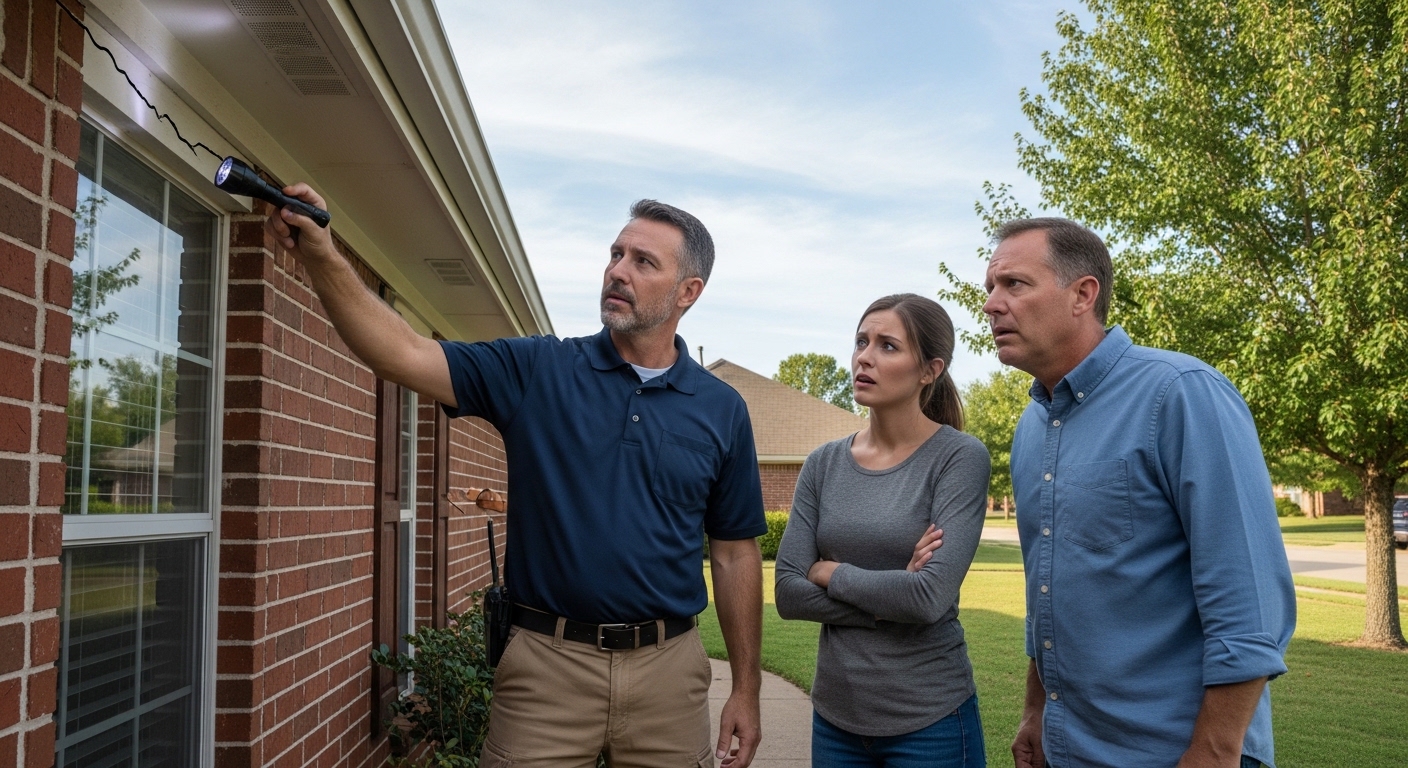
The home inspection is supposed to give you peace of mind. Instead, it sometimes becomes the moment everything changes. In 2026, buyers are no longer rushing to remove contingencies. They are slowing down, reviewing reports carefully, and negotiating repairs with confidence. This is particularly true in the Longview market, where buyers are taking a more cautious approach than ever.
The biggest inspection killers? Roof damage is the most common issue uncovered during inspections that led to delays or cancellations, followed by foundation or structural problems and water damage. When a home inspector flags major foundation cracks, sloping floors, or large structural concerns, your buyer may panic and want to walk.
What to do: If foundation work is needed, get a structural engineer involved immediately. Foundation repairs can be extremely expensive, sometimes costing tens of thousands of dollars. If the damage is severe, it may not be worth the investment, and buyers should strongly consider walking away. But here's the thing, many structural issues are fixable. Work with contractors in Longview to get detailed repair estimates. Then negotiate. A price reduction, repair credit, or actual repairs done before closing can often salvage the deal. Full transparency is your friend here.
Water Damage and the Mold Monster
Water damage shows up during an inspection like an unwelcome guest at a party, and it brings mold as its plus-one. Water damage is one of the most common and costly home inspection red flags. Evidence of moisture can signal deeper structural concerns, including foundation damage, improper grading, or compromised drainage systems.
A buyer who sees water stains on ceilings, musty smells, or soft spots in flooring may immediately think about expensive repairs and future problems. The concern is legitimate. While some surface mold may be manageable, extensive or hidden mold can present health concerns and require professional remediation. Addressing these problems after closing can be expensive and disruptive, making them a frequent deal-breaker for buyers.
What to do: Don't wait. Get a mold specialist or water remediation expert out to assess the damage. Sometimes what looks scary is actually manageable. If the inspection reveals minor water damage with a clear cause (like a roof leak that's already been fixed), you have a story to tell. If it's widespread, you'll need to make it right through repairs or credits. In Longview's climate, water issues aren't uncommon, and many buyers understand that. What they won't tolerate is a seller who ignores the problem.
Termite Damage: The Silent Destroyer
I've watched a handful of deals collapse because of termites. Most people think it's an instant deal killer, but that's not always true. The key difference is the severity and transparency. Termites eat wood from the inside out. That means they leave very little evidence of their presence until an infestation is pretty far along.
If an inspection reveals that termites are present but the infestation is minor, and the seller is willing to have the home treated for termites at his or her expense and pay for repairs, the property may still be worth considering. The problem arises when damage is extensive or when lenders get involved. Many lenders won't approve a loan if significant termite damage is present without proof of treatment and repair.
What to do: Get a licensed termite inspector out immediately. When you find termite damage during the inspection period, submit an addendum requesting they tent the property. Also ask the seller to get the damage repaired by a licensed contractor and provide receipts, because not all lenders will let a homebuyer proceed to loan approval with termite damage. Have the work completed before closing, and get documentation everything is taken care of. Longview homes, like many in Texas, are no stranger to termites, and lenders here understand the protocol.
Electrical and Plumbing Nightmares
Outdated or faulty electrical systems and plumbing problems scare buyers for good reason. A home with aluminum wiring can catch fire. These result in electrical issues such as short circuits that not only lead to financial damage but also put lives at risk. And plumbing? The expense of replacing or repairing bad plumbing or piping can range from $5,000 to $50,000, a high price.
These aren't cosmetic issues. Buyers understand they're serious, and they're within their rights to demand repairs or walk away if costs are astronomical.
What to do: Bring in licensed contractors to assess the situation and provide written estimates. If the problems are fixable, negotiate repairs before closing. If the cost is in the five-figure range, you may need to adjust your price or provide a substantial credit to the buyer. Transparency and action speak louder than denial.
The Appraisal Nightmare
Then there's the appraisal. A buyer's financing falling through is the second-most common reason for a deal to be canceled, accounting for about 27% of cancellations. Additionally, 14% of contracts involved a delayed settlement, with 8% involving appraisal issues. You can have a perfect inspection and solid financing, and then the appraisal comes in low.
When a home appraises for less than the agreed purchase price, the lender won't finance the full amount. The buyer either needs to cover the gap in cash, ask you to lower your price, or walk away. If a home appraisal comes in lower than the offer, the lender won't approve the full loan amount. If an appraisal comes back lower than the agreed-upon purchase price, your lender most likely won't approve the full mortgage amount. When an appraisal comes in low, many sellers are willing to lower the price to close the deal. In competitive markets, that may not always be the case.
What to do: If the appraisal is close to the contract price, there's room to negotiate. As the seller, you can request that the buyer challenge the appraisal if comparable sales data supports a higher value. Sometimes appraisers miss recent comp sales or don't give proper credit for upgrades. If the gap is significant, a price reduction might be necessary to keep the deal alive. In the current Longview market, many buyers have less wiggle room financially, so they're less likely to cover large gaps out of pocket.
Financing Falls Through
A buyer loses their job. Their credit score drops. A new debt shows up. Even pre-approved buyers can lose financing due to a job change, new debt, or other credit-related setbacks. This one is painful because there's often nothing the seller can do about it. But it happens.
What to do: From the start, prioritize offers with solid pre-approval letters from reputable lenders. Ask for proof of employment shortly before closing. Include contingency timelines that are reasonable and give the lender time to underwrite properly. If financing falls through due to issues on the buyer's side, you can keep their earnest money, but you'd rather have the sale. Sometimes, as a seller, you'll need to decide if you want to renegotiate terms or move on to the next buyer.
Title Issues
A surprise lien, a boundary dispute, unclear ownership, or an error in the deed can throw everything into chaos. Title problems are rare, but when they happen, they're serious.
What to do: Get a title company involved early and make sure a thorough title search is completed before you even list. If an issue comes up during the purchase, work with your title company and possibly a real estate attorney to resolve it. This is one area where professional help is non-negotiable.
How to Protect Your Deal
As your real estate agent in Longview, I always tell sellers and buyers the same thing: preparation and communication are everything. If you're selling, have your home inspected before listing. Address issues upfront. Disclose everything honestly. If you're buying, don't waive important contingencies just to make an offer look attractive. Protect yourself.
And for everyone involved, use a real estate agent who knows the local market. I've worked with buyers and sellers in Longview long enough to know which inspectors are thorough, which contractors are reliable, which lenders move fast, and which issues are worth fighting for.
When you're under contract on a home, you're in a critical phase. A deal breaker doesn't have to mean the end of the road. It means you need strategy, transparency, and someone in your corner who understands how to navigate it. That's where I come in.
If you're buying or selling in Longview and want to discuss how to protect your deal from start to finish, let's talk. You can reach me through my HOUSEJET profile, where you'll find all my listings and information about the Longview market.